February 11, 2026
Selecting a new water heating system is one of the most significant investments you can make for your home infrastructure. As homeowners in Holden and the surrounding areas look for ways to improve efficiency and reduce monthly utility costs, the debate often centers on two modern technologies: tankless units and heat pump systems. Both options offer substantial improvements over traditional storage tanks, yet they operate on entirely different mechanical principles.
Choosing the right one requires a deep understanding of your household water usage, your long-term budget goals, and the specific layout of your property. While many plumbing companies can install basic equipment, finding a partner that understands the nuances of New England climates and local water chemistry is essential for a successful transition.
Evaluating the Efficiency of Tankless Systems
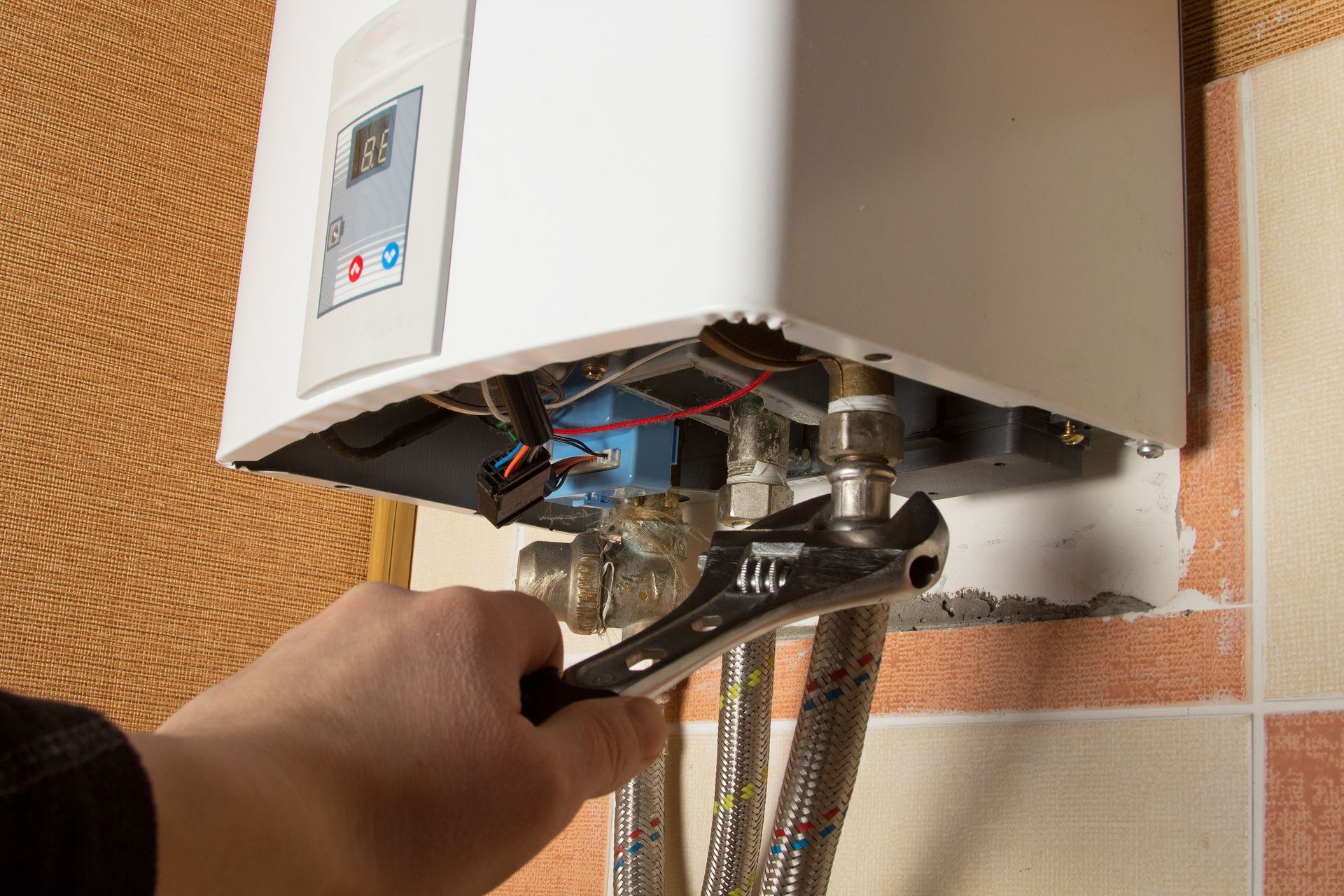
Tankless water heaters, often referred to as demand-type or instantaneous units, are designed to eliminate the standby energy losses associated with keeping a large volume of water hot in a tank. When you turn on a hot water faucet, cold water travels through a pipe into the unit, where either a gas burner or an electric element heats the water immediately. This means you never run out of hot water, provided the unit is sized correctly for your home.
This technology is particularly attractive for large families who often find themselves competing for the last bit of warmth in a traditional tank. According to This Old House, tankless water heaters can be expected to have a lifespan of approximately 20 years. This longevity is nearly double the expected lifespan of a standard tank, which makes the higher initial cost much easier to justify over the decades.
Understanding the Mechanics of Heat Pumps
Heat pump water heaters, also known as hybrid water heaters, take a completely different approach to efficiency by moving heat rather than generating it directly. These systems pull heat from the surrounding air and transfer it into an enclosed tank of water. Because it takes much less energy to move heat than it does to create it, these units are incredibly efficient, often using a fraction of the electricity required by standard electric models.
In a cooler climate like Massachusetts, these units are typically installed in basements where they can utilize the ambient heat. It's important to note that because they pull heat from the air, they also act as a dehumidifier, which can be a secondary benefit for many local homeowners. Most professional plumbing companies will recommend these for all-electric homes looking to slash their carbon footprint and energy bills simultaneously.
Comparing the Initial Installation Costs
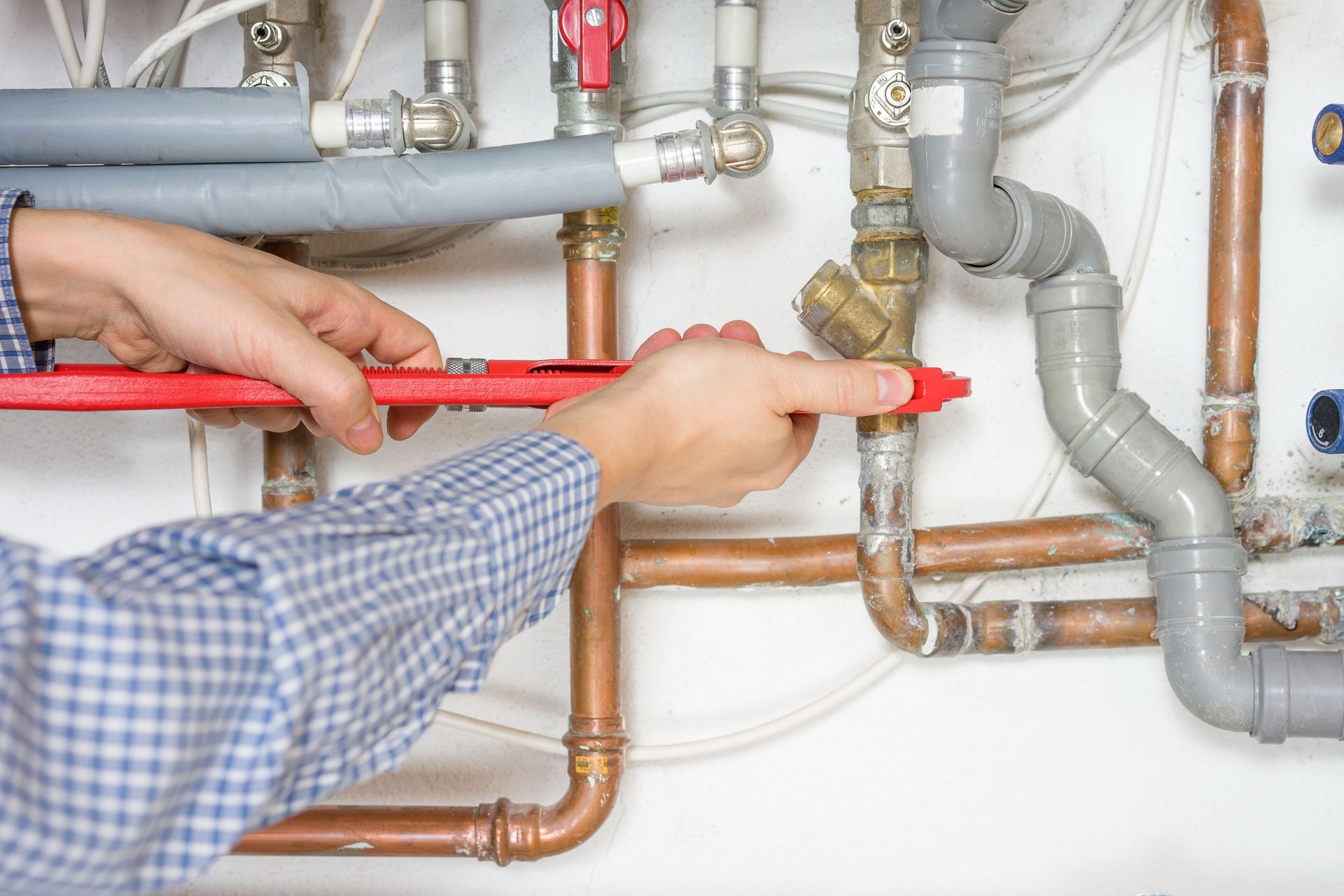
The upfront investment for either of these systems is higher than a traditional swap. Tankless units require specialized venting and often need an upgraded gas line or a high-voltage electrical circuit to handle the intense, rapid heating process. Heat pump units are physically larger than traditional tanks and require a certain amount of cubic feet of air space to operate effectively.
If your utility room is cramped, you might need to install additional ducting to ensure the unit gets the airflow it needs. When you're vetting various plumbing companies for this project, you should ask for a detailed breakdown of these installation requirements. A cheaper quote might omit necessary gas line upgrades or venting modifications that are required by local building codes.
Analyzing the Long-Term Savings Potential
While the initial price tag might cause some hesitation, the long-term savings are where these systems truly shine. A tankless unit saves money by only consuming fuel when a faucet is open. If you travel frequently or have a house that sits empty during the day, you aren't paying to heat water that no one is using. On the other hand, heat pump models offer the lowest operating costs of any electric water heater on the market.
In many cases, the energy savings are so significant that the unit pays for itself within a few years. Many local utility providers also offer rebates and incentives for switching to high-efficiency heat pump technology, which can further offset the purchase price. Consulting with experienced plumbing companies will help you navigate these rebate programs to ensure you get the maximum return on your investment.
Examining the Maintenance and Care Requirements
To reach the twenty-year milestone mentioned by industry experts, a tankless water heater requires specific annual care. Because the heat exchangers have very small passages, mineral buildup from hard water can quickly lead to overheating or reduced flow. Professional flushing with a descaling solution is a non-negotiable part of owning a tankless system. Heat pump water heaters are slightly less demanding but still require regular filter cleanings and tank flushes to remove sediment.
Neglecting these tasks can lead to premature failure and voided warranties. Reliable plumbing companies will often offer maintenance plans to ensure your system stays in peak condition throughout its long service life. This proactive approach prevents emergency repairs during the coldest months of the year when your demand for hot water is highest.
Considering the Space and Location Needs
One of the most praised features of tankless heaters is their compact size. These units are typically mounted on a wall and take up zero floor space, which can open up a basement or a utility closet for other uses. This is a game changer for homeowners looking to finish a basement or those living in smaller urban homes. Conversely, heat pump water heaters are often taller and wider than the tanks they replace because the heat pump machinery sits on top of the storage vessel.
They also require a drain for the condensate that is produced during the dehumidification process. If your current water heater is tucked into a tiny crawlspace, a heat pump might not be a viable option without significant structural changes. Discussing these physical constraints with local plumbing companies will help you determine which technology fits the footprint of your home.
Assessing the Performance in Cold Climates
The performance of a water heater is heavily influenced by the temperature of the incoming cold water. In Holden, the ground temperature drops significantly in the winter, meaning your water heater has to work much harder to reach a comfortable shower temperature. Tankless units must have a high enough British Thermal Unit rating to handle this temperature rise at a high flow rate. If the unit is undersized, you might notice the water pressure dropping when multiple fixtures are used at once.
Heat pump units can also be affected by ambient air temperature. If the room drops below a certain point, the unit will switch to standard electric resistance heating to keep up with demand. Experienced plumbing companies know how to calculate these loads to ensure you never have a lukewarm shower in the middle of January.
Upgrading your water heater is a decision that will affect your home comfort for the next two decades. Whether you choose the sleek, on-demand power of a tankless unit or the innovative efficiency of a heat pump, you're making a positive step toward a more sustainable and cost-effective home. Proper sizing and professional installation are the two most critical factors in ensuring your satisfaction.
As you move forward with your home improvement plans, remember that the quality of the installation is just as important as the quality of the appliance itself. For expert guidance and professional installation of your new high-efficiency water heater, contact Bottis Plumbing & Heating today.