April 10, 2026
Choosing the right water heater is an important decision that affects your home's comfort, energy use, and long-term efficiency. Tankless and heat pump water heaters each offer distinct advantages, and understanding how they differ helps homeowners make a confident, informed choice. Factors such as household size, hot water demand, available space, and local climate all play a role in determining which system is the best fit. While tankless units provide endless hot water and a compact design, heat pump systems excel in energy efficiency and environmental impact. Consulting with a knowledgeable plumbing professional can help you evaluate these considerations and select a system that delivers reliable performance, lower operating costs, and lasting value for your home.
Understand How Tankless Water Heaters Work
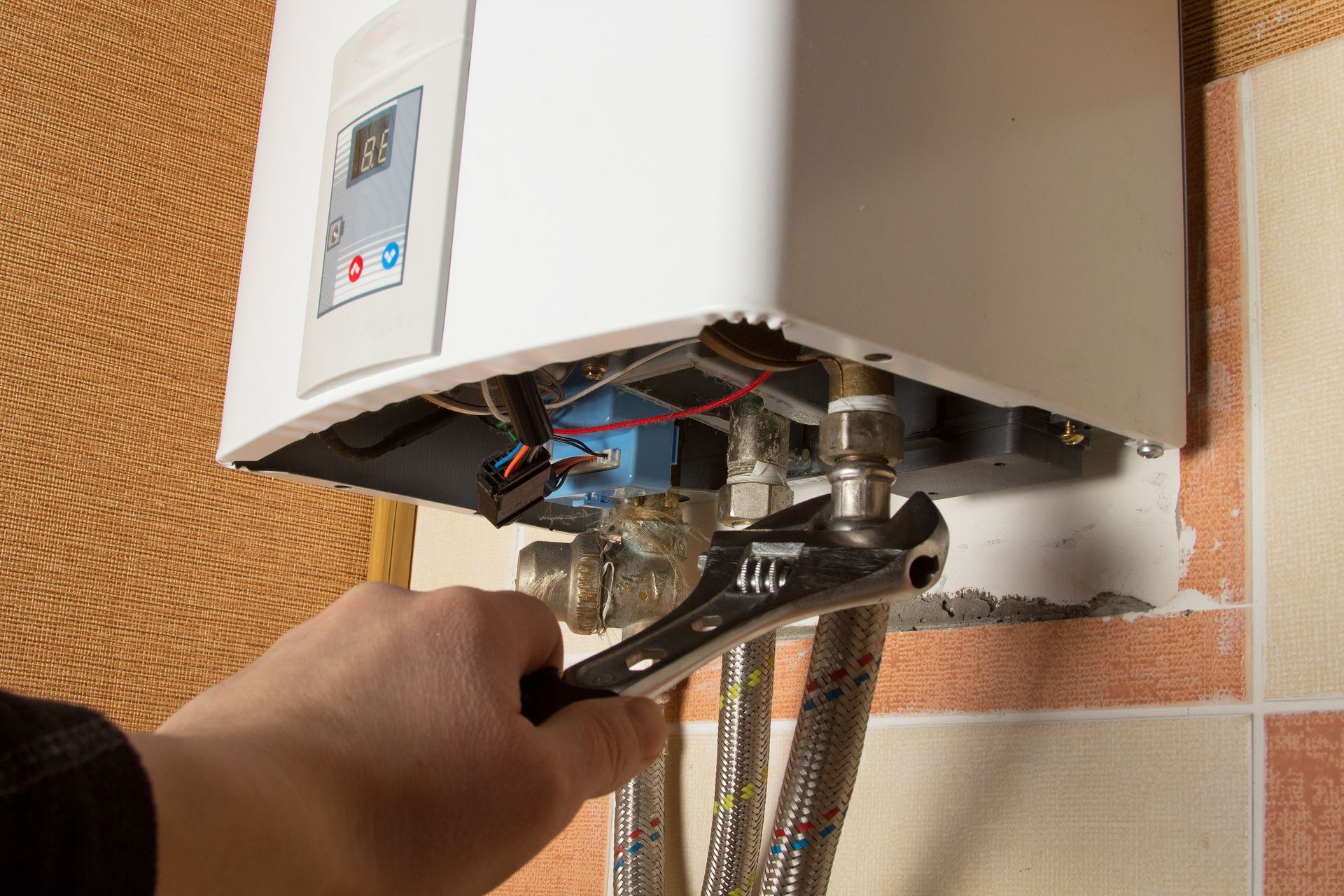
Tankless water heaters, also known as on-demand water heaters, heat water only when a hot water tap is opened rather than maintaining a stored supply. This approach eliminates standby heat loss and provides a continuous flow of hot water whenever it is needed. Available in both gas and electric models, tankless systems are compact and wall-mounted, making them an excellent option for homes where space is limited. Plumbing companies frequently recommend them for households with varying hot water demands throughout the day.
The installation of a tankless water heater involves specific requirements that homeowners should be aware of before committing to the system. Gas models require proper venting through stainless steel materials to safely handle higher exhaust temperatures, while electric models may need an upgraded electrical service to support their higher draw. According to This Old House, tankless water heaters have a lifespan of about 20 years, making them a durable long-term investment for most households. Plumbing companies can assess your home's existing infrastructure to determine what upgrades, if any, are needed for a smooth and code-compliant installation.
Understand How Heat Pump Water Heaters Work
Heat pump water heaters operate differently from most conventional systems by transferring heat from the surrounding air into a storage tank rather than generating heat directly. This process makes them significantly more energy efficient than standard electric water heaters, as they rely on ambient heat rather than electrical resistance. They work best in warm climates or indoor spaces that maintain consistently mild temperatures, such as basements or utility rooms with adequate airflow. For homes in cooler environments, a backup heating element is typically included to maintain performance during colder months, ensuring a steady supply of hot water even when ambient temperatures drop. This hybrid functionality allows homeowners to benefit from energy savings without sacrificing reliability.
Because heat pump water heaters draw heat from the air around them, they require a spacious installation area with sufficient ventilation to operate at peak efficiency. Their larger tank size also means they occupy more floor space than a tankless unit, which is an important practical consideration during the planning phase. Plumbing companies can evaluate your available space, insulation levels, and climate conditions to determine whether a heat pump system is a good fit for your home. In addition to proper installation, routine maintenance—such as cleaning air filters and checking system components—helps ensure long-term performance. When properly installed and maintained, these systems deliver outstanding energy efficiency, lower utility costs, and reliable hot water year-round.
Compare Environmental Impact
Both tankless and heat pump water heaters offer meaningful environmental advantages over traditional storage tank models. Tankless systems reduce greenhouse gas emissions by eliminating standby heat loss, using energy only when hot water is actively needed. Heat pump systems take a different but equally effective approach, capturing renewable ambient heat and minimizing the amount of electricity consumed in the heating process. Together, these technologies represent a significant step forward for homeowners seeking to reduce their household carbon footprint while also improving overall energy efficiency. In many cases, these systems may also qualify for energy rebates or incentives, further encouraging eco-friendly upgrades.
Resource conservation is another area where both systems excel compared to conventional water heaters. Tankless models are typically constructed from recyclable materials, making end-of-life disposal more environmentally responsible. Heat pump units, while larger, also feature recyclable components that reduce landfill impact when properly handled. Plumbing companies that specialize in energy-efficient installations can guide homeowners through responsible disposal and recycling practices, ensuring the full lifecycle of the appliance reflects a commitment to sustainability. By combining reduced energy use with thoughtful material management, these systems support a more environmentally conscious approach to home improvement without compromising performance or reliability.
Evaluate Longevity and Maintenance Needs
Understanding the maintenance requirements of each system is essential for protecting your investment and ensuring consistent performance over time. Tankless water heaters require periodic descaling to prevent mineral buildup, which can restrict water flow and reduce heating efficiency if left unaddressed. Heat pump systems benefit from routine inspections of air filters, electrical connections, and key components to keep them running at optimal efficiency. In addition to these tasks, checking for proper airflow and keeping the surrounding area clean can further support heat pump performance. Staying current with manufacturer-recommended maintenance schedules extends the lifespan of either system and helps avoid costly repairs down the road.
Both systems are known for their durability relative to conventional tank water heaters, though their maintenance needs differ in scope and frequency. Tankless units are generally simpler to service due to their compact design, while heat pump systems involve more components that benefit from professional attention. Warranties for both system types typically cover critical parts and provide added peace of mind for homeowners making a long-term investment. Scheduling routine service with a qualified plumbing professional ensures that potential issues are identified early and resolved efficiently. With proper care, both tankless and heat pump water heaters can deliver reliable, high-performance operation for many years.
Review Consumer Satisfaction and Real-World Performance
Consumer feedback consistently highlights the practical benefits that both tankless and heat pump water heaters deliver in real-world settings. Tankless systems earn high marks for their ability to supply hot water on demand without interruption, as well as their space-saving footprint that works well in smaller homes. Heat pump systems are frequently praised for their energy-saving performance and eco-friendly operation, particularly among homeowners in warmer climates who see the greatest efficiency gains. Many users also note reduced utility bills over time, which reinforces the long-term value of investing in these advanced systems. Reading reviews from verified users and consulting with plumbing companies that have hands-on installation experience can provide valuable perspective when narrowing down your options.
Brand reputation and model-specific features also play a role in overall satisfaction and should factor into your decision. Some manufacturers offer smart connectivity features that allow homeowners to monitor and adjust water heating settings remotely, adding a layer of convenience and control. Others focus on enhanced efficiency ratings or designs tailored to specific climate conditions, giving buyers more targeted options. Warranty coverage, customer support, and availability of replacement parts are additional considerations that can influence long-term satisfaction. Taking the time to compare models and consult with knowledgeable plumbing companies ensures you select a system that aligns with both your performance expectations and the unique characteristics of your home.
Both tankless and heat pump water heaters offer compelling advantages for homeowners looking to upgrade their hot water systems. By weighing factors such as energy efficiency, environmental impact, space requirements, and long-term durability, plumbing companies can help you select the solution that best supports your household goals. If you are ready to upgrade to a more efficient water heating system, contact us at Bottis Plumbing & Heating today. We will help you explore your options, find the right fit for your home, and handle the installation with the expertise and care your household deserves.